The Role of the Bible
Scripture Readings
- Psalm 119:9-16,
- 1 Peter 1:22-2:3
Introduction
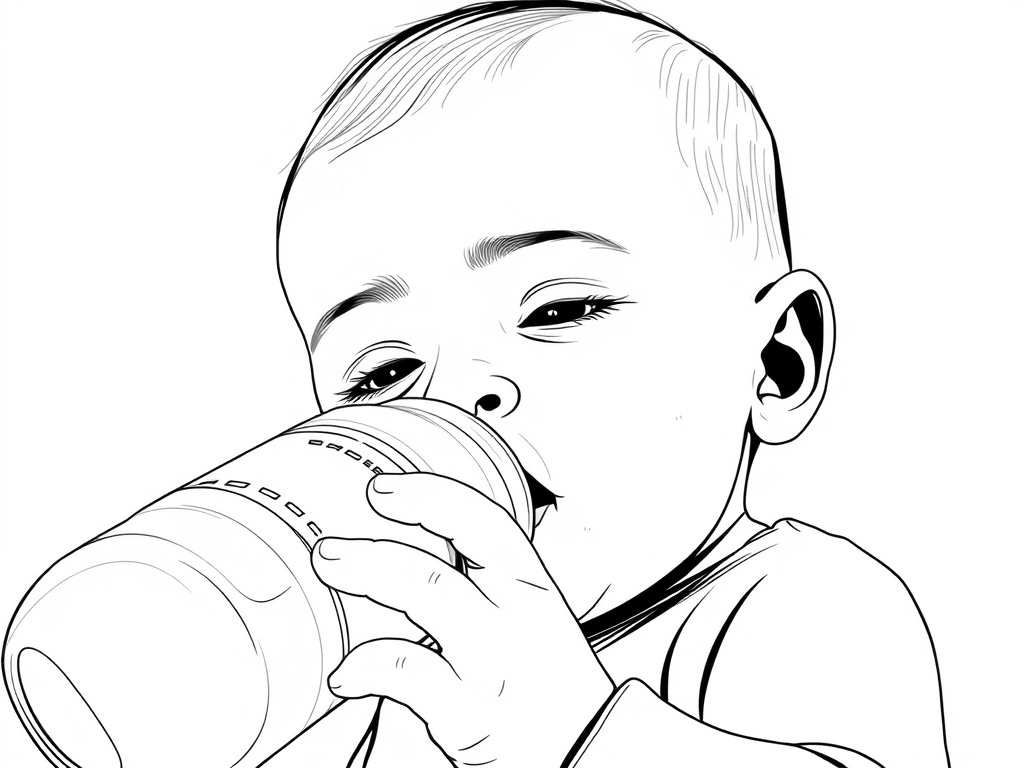
Those of us who were privileged to raise children, know very well that when a baby wants a feed, it cannot wait. This is true, regardless of the place. It doesn’t matter the occasion, the hour, or the convenience. To show its need, it will cry, scream, or put up a fight until it is satisfied. Once fed and nurtured, the world can go on. Babies do this because it is good for their development.
In his letter the apostle Peter uses the picture of newborn babies and applies it to the Christian life. In verse 23 of chapter 1 he states:
For you have been born again, not of perishable seed, but of imperishable, through the living and enduring word of God. (1 Peter 1:23)
You have been born again. A new life began in Christ. Verse 20-21 says:
He was chosen before the creation of the world, but was revealed in these last times for your sake. Through Him you believe in God, who raised Him from the dead and glorified Him, and so your faith and hope are in God. (1 Peter 1:20-21)
The Heidelberg Catechism, a major document of the Reformed Faith which was written in 1563, asks a very important question:
If it is by faith alone that we share in Christ and all his blessings; where then does this faith come from?
The Holy Spirit produces faith in our hearts by the preaching of the gospel and confirms it using the sacraments.
It might sound meagre to our ear, but the Reformed fathers saw only three instruments in the hands of God by which the church would grow: Word, Sacrament, and payer. In question and answer 154 the Larger Catechism states:
What are the outward means whereby Christ communicates to us the benefits of his mediation? The answer:
The outward and ordinary means whereby Christ communicates to his church the benefits of his mediation, are all his ordinances; especially the word, sacraments, and prayer; all which are made effectual to the elect for their salvation.
The Apostle Peter stresses this point:
For you have been born again, not of perishable seed, but of imperishable, through the living and enduring word of God. (1 Peter 1:23)
Why is this Word so important? Why should the church remain faithful to this Word? The answer is given in 1Pet 1:24
For, “All men are like grass, and all their glory is like the flowers of the field; the grass withers and the flowers fall, but the word of the Lord stands forever.” And this is the word that was preached to you. (1 Peter 1:24-25)
In our study of Divine Election, we now ask ourselves: What is the role of the Word of God in the marvellous work of God? There is a paragraph in the Third and Fourth heading of Canons of Dordt which gives us good instruction. Let us read it bit by bit and then look at the arguments as they roll along:
As the almighty operation of God whereby He brings forth and supports this our natural life does not exclude but require the use of means by which God, of His infinite mercy and goodness, has chosen to exert His influence, so also the aforementioned supernatural operation of God by which we are regenerated in no wise excludes or subverts the use of the gospel, which the most wise God has ordained to be the seed of regeneration and food of the soul.
This sounds like a mouth full, and we might think is is very hard to understand. Remember, there are quite a few years between 1619 and today, and people thought in several ways. One gets the impression that they were far more receptive to deep debate than what we are today!. So, let us take it bit by bit. The argument then goes like this. In terms of our day-to-day living:
- God holds us in the hollow of his hand because He is our Father.
- God cares for us day to day, caring for us and providing for us in our daily need.
- God’s care for us does not exclude us in working, earning, buying, preparing and eating food to nurture our bodies.
Applied to God’s grace in our spiritual lives we need to know
- God does not by-pass the reading and preaching of his Word.
- The reading and preaching of the Word is to the soul like food to the body
- The reading and preaching of the Word is like the seed sown into the ground: it produces a harvest of faith in Christ.
- Eternal life and salvation through faith in Jesus Christ do not come apart from the blessed preaching and teaching of the Bible!
This is the issue which is answered by The Westminster Confession of Faith in Chapter 14:1
The grace of faith, whereby the elect are enabled to believe to the saving of their souls, is the work of the Spirit of Christ in their hearts and is ordinarily wrought by the ministry of the Word, by which also, and by the administration of the sacraments, and prayer, it is increased and strengthened.
The question now is, what is required of us when we hear the Word of God preached and explained? The Larger Catechism in question and answer 160 gives us direction:
- attend upon it with diligence, preparation, and prayer;
- examine what by the scriptures teach.
- receive the truth with faith, love, meekness, and readiness of mind, as the word of God.
- meditate, and discuss it.
- hide it in their hearts,
- and bring forth the fruit of it in their lives.
Keep all these things in mind and we will understand why then the Apostle Peter continues his line of argument from the stage of being newborn children by the grace of God through the preaching of the Word, to the next stage of the argument to growth:
Like newborn babies, crave pure spiritual milk, so that by it you may grow up in your salvation, now that you have tasted that the Lord is good.(1 Peter 2:2-3)
Like the baby who cannot wait, do not understand the circumstance his mother might be in, whether it is convenient or not, but cries for milk, so it should be with us: we need to be in constant hunger for the Word. It must determine our thoughts, our actions and our motives. Like David we should meditate upon it when we are on our beds, or when we wake in the morning. It should be the light for our path and the lamp for our feet. Then, and then alone will we understand the goodness of God.
We should desire the Word in a pure way: a word in this verse refers to pure milk. We should not be satisfied with what is not pure.
This will make us grow up in our salvation to spiritual maturity.
 Naracoorte Presbyterian Church